Astrid Gonzales by Dorian Maldonado

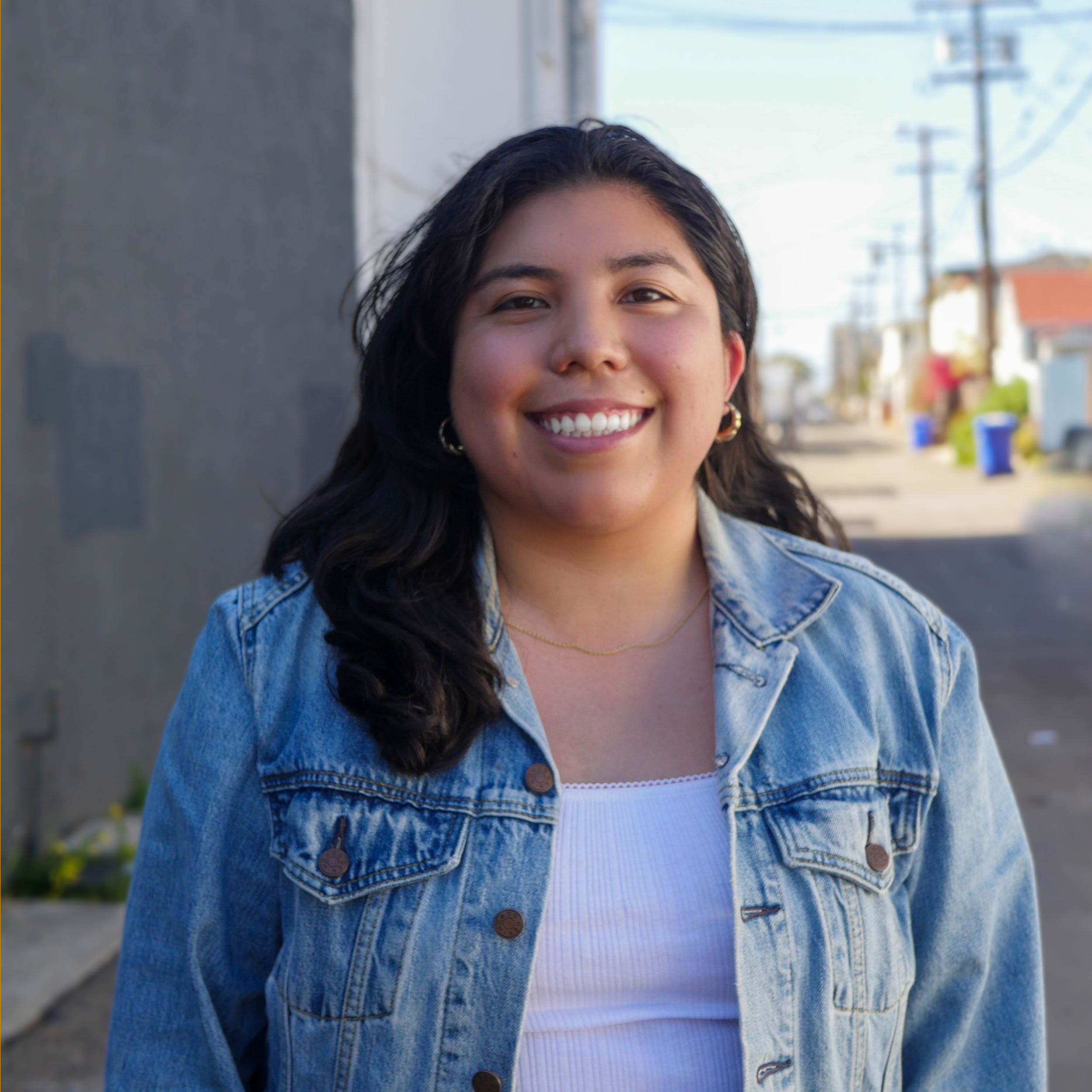
Astrid Gonzales smiling in front of 530 Coast Highway

Astrid is the videographer and social media/content coordinator for The Hill Street Country Club, she joined our team amid the pandemic in July with intentions to help wherever it was needed for the community space! Astrid graduated from UC Berkeley in 2019 with her BA in Ethnic Studies & Film. She’s a huge film buff and hopes to one day become a film director, using her art to tell stories and as a source of empowerment!

“𝘏𝘢𝘷𝘪𝘯𝘨 𝘨𝘳𝘰𝘸𝘯 𝘶𝘱 𝘪𝘯 𝘓𝘦𝘶𝘤𝘢𝘥𝘪𝘢 𝘐’𝘷𝘦 𝘢𝘭𝘸𝘢𝘺𝘴 𝘣𝘦𝘦𝘯 𝘴𝘦𝘢𝘳𝘤𝘩𝘪𝘯𝘨 𝘧𝘰𝘳 𝘢 𝘴𝘦𝘯𝘴𝘦 𝘰𝘧 𝘤𝘰𝘮𝘮𝘶𝘯𝘪𝘵𝘺 𝘣𝘰𝘵𝘩 𝘤𝘳𝘦𝘢𝘵𝘪𝘷𝘦𝘭𝘺 𝘢𝘯𝘥 𝘤𝘶𝘭𝘵𝘶𝘳𝘢𝘭𝘭𝘺. 𝘏𝘚𝘊𝘊 𝘩𝘢𝘴 𝘳𝘦𝘢𝘭𝘭𝘺 𝘸𝘦𝘭𝘤𝘰𝘮𝘦𝘥 𝘮𝘦 𝘢𝘯𝘥 𝘢𝘭𝘭𝘰𝘸𝘦𝘥 𝘮𝘦 𝘵𝘰 𝘯𝘰𝘵 𝘰𝘯𝘭𝘺 𝘧𝘦𝘦𝘭 𝘢𝘵 𝘩𝘰𝘮𝘦 𝘣𝘶𝘵 𝘢𝘭𝘴𝘰 𝘵𝘰 𝘤𝘰𝘯𝘵𝘪𝘯𝘶𝘦 𝘨𝘳𝘰𝘸 𝘤𝘳𝘦𝘢𝘵𝘪𝘷𝘦𝘭𝘺.” -𝘼𝙨𝙩𝙧𝙞𝙙

Akiko Surai by Dorian Maldonado

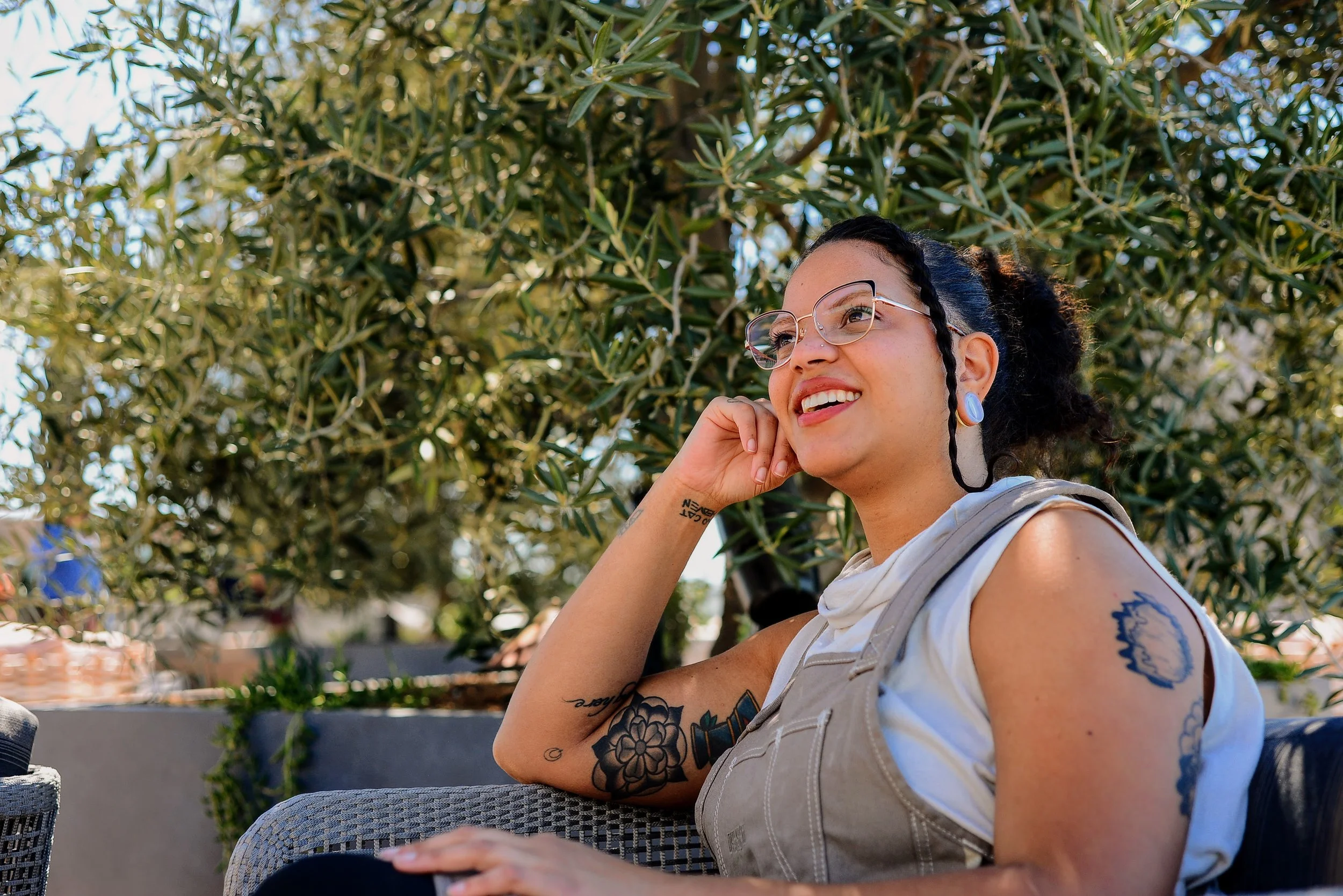
Akiko Surai sitting outside and smiling

Akiko is the editor and associate curator at the Hill Street Country Club, they joined the team in 2022 after visiting as a community partner and guest for a few years. She contributes writing and research to connect our artists, shows, and programming to local history, current events, and legacies of making to foster deep and resonant conversations. Akiko graduated with a degree in Studio Arts from San Diego State University in 2011, continued study at the School of the Museum of Fine Arts Boston, and holds a specialized certificate in museum studies and gallery administration from San Diego Mesa College. 

“I grew up in east San Diego county, where opportunities to connect to the arts were limited. After working a few years in more traditional museums, I became frustrated with the disconnect between artists, art history, and our lives today. I’m excited to be part of a space that opens those conversations and highlights how art and creativity resonate through the whole world.”

Addy Lyon by Dorian Maldonado

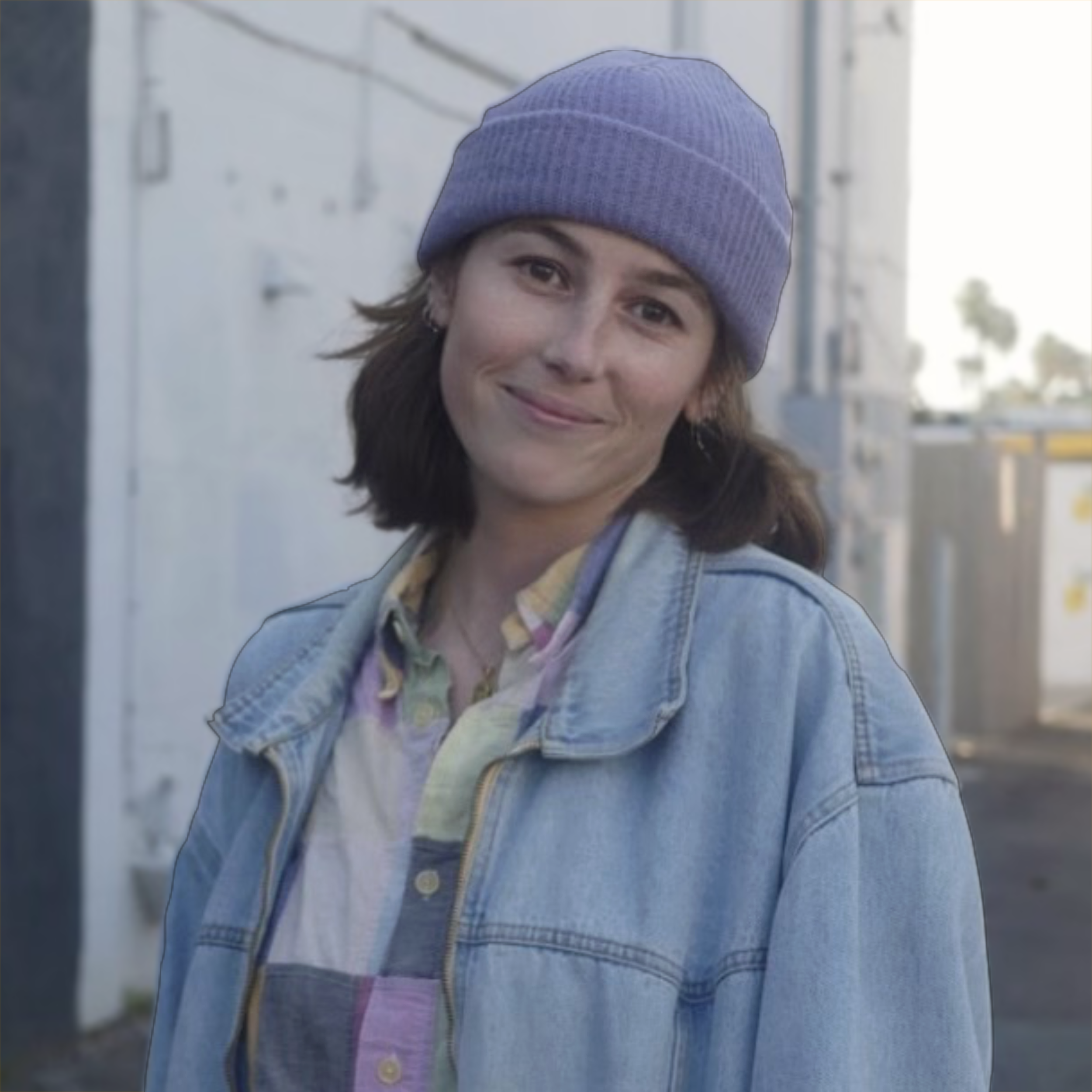
Addy lyon smiling in front of 530 Coast Highway

Addy is our newest team member & our first ever trainee - she is assisting with Administrative planning & social media! Addy is graduating from CSUSM with her BA in Art, Media and Design with a minor in Psychology in May of 2021. She’s very interested in the connection between the planet’s natural environments and our impact as humans transcribing this relationship through creative expression.

“𝘉𝘦𝘪𝘯𝘨 𝘳𝘢𝘪𝘴𝘦𝘥 𝘰𝘯 𝘵𝘩𝘦 𝘌𝘢𝘴𝘵 𝘊𝘰𝘢𝘴𝘵, 𝘪𝘵 𝘩𝘢𝘴 𝘣𝘦𝘦𝘯 𝘢 𝘸𝘰𝘯𝘥𝘦𝘳𝘧𝘶𝘭 𝘦𝘹𝘱𝘦𝘳𝘪𝘦𝘯𝘤𝘦 𝘵𝘰 𝘧𝘪𝘯𝘥 𝘢 𝘴𝘦𝘯𝘴𝘦 𝘰𝘧 𝘤𝘰𝘮𝘮𝘶𝘯𝘪𝘵𝘺 𝘵𝘩𝘳𝘰𝘶𝘨𝘩 𝘛𝘩𝘦 𝘏𝘪𝘭𝘭 𝘚𝘵𝘳𝘦𝘦𝘵 𝘊𝘰𝘶𝘯𝘵𝘳𝘺 𝘊𝘭𝘶𝘣, 𝘸𝘪𝘵𝘩 𝘵𝘩𝘦 𝘢𝘣𝘪𝘭𝘪𝘵𝘺 𝘵𝘰 𝘤𝘰𝘯𝘵𝘪𝘯𝘶𝘰𝘶𝘴𝘭𝘺 𝘣𝘶𝘪𝘭𝘥 𝘯𝘦𝘸 𝘧𝘳𝘪𝘦𝘯𝘥𝘴𝘩𝘪𝘱𝘴 𝘸𝘪𝘵𝘩 𝘭𝘪𝘬𝘦 𝘮𝘪𝘯𝘥𝘦𝘥 𝘪𝘯𝘥𝘪𝘷𝘪𝘥𝘶𝘢𝘭𝘴.” -𝘼𝙙𝙙𝙮

TARA CENTYBEAR by Margaret Hernandez

TARACENTYBEAR-21.jpg

Tara Centybear, a San Diego native, attended the School of the Art Institute of Chicago where she got her BFA, and Goldsmiths College, University London where she attained her MFA, graduating with Distinction.  In addition to her work as a contemporary artist Centybear has worked as a fine arts curator throughout San Diego for the past decade.  Currently she holds the position of Collections Manager/Curator at the San Diego History Center and is an adjunct teacher in the art department at MiraCosta College. 


Q & A with artist Tara Smith

Why dead birds?

They encapsulate a balance of serenity and loss that I am looking to discuss. Birds, coated in their feathers are almost packaged, presents wrapped in nice colorful paper. I have chosen to work with dead birds, but birds that through their physical form do not reveal or concentrate on the way they died. This is to celebrate the life, not the death of the animal. They are each a symbol of the little deaths we all have throughout our days, weeks, months, years, and decades.  From childhood to when our own end comes. The trauma of being picked on in school, of living through horrid world events, abusive encounters, loss of loved ones, of all the things that happen to us all that inform who we are, and who we become. The paintings are sad to grieve for those traumas, but in their beauty they pay homage to how important each struggle we all go through is.  We need those traumas to become our most interesting, strong, and gorgeous selves. 

The juxtaposition of the perished birds with the other inanimate objects is a way to discuss the clashing of experiences, hiding of pieces of ourselves and so forth. In all my works, for some reason I am not quite sure of I always cover things with other things, put things inside things so that they visually disrupt each other


What is it about birds dead that is so much more beautiful than say a dead squirrel. Why do we identify with that?

Birds have been symbols of ‘other worlds’, the heavens, love, loss, freedom and so much to us humans for centuries.  We are drawn to them at times, afraid of them too. To me, the dead birds are precious and vulnerable to their surroundings, just as we are. Maybe other animals might work, but for me at this time, birds were the only option.

Birds are a symbol of freedom. Is death also freedom or is it just about the contrast of stillness and flight?

Painting flight would be so boring. A painting of a bird in flight is about that one split second in its entire life, whereas painting a dead bird is about its entire life. It is universal and talks about the whole being, the soul, the end, the mortality and shortness of life.  

What is the role of death in your work - or is that secondary?

It is almost more about finding peace, whether living or dead. The still object means such a different thing, than one in motion. So even though I paint dead things it is not about death at all. Each bird is a symbol for one person’s suffering.  The paintings are about life and living it to its fullest, it is acknowledging the complexity of what trauma brings to a person. That there are good things that come from that trauma, whatever your personal trauma(s) is, and that makes the hatred of that trauma hard… when you know it is a part of you now.  If you hated the horrid things you went through you would hate part of yourself.  We can’t hate ourselves and thrive. 


What role does art play in the community and what type public art would like to see more of?

Art has the ability to communicate things that language on its own often fails at. It is a means to discuss and question sometimes incredibly difficult subjects. Art gives us an entry point, a joining link of communication between different demographics, social, and political groups. 

As far as public art, the more site-specific, conceptual, interactive and time specific work in our city the better.  Through these vehicles, artists can inspire new conversations in the community, ask people to question the world around them, and give the public a chance to experience art on their terms. Public art steps out of the museum and gallery walls and has a strength in that it can reach those that still feel, much due to the elitism of the past (and still present to a degree), that museums are not a space for ‘them’.

SHIRIN TOWFIQ | SOFT & SENSITIVE by Margaret Hernandez

ShirinTowfiq.jpg

Q&A with artist, Shirin Towfiq

Why soft and sensitive ?

Soft and sensitive was made from a place of just being tired and aware of everything that’s going on right now in our society and not wanting to be angry anymore and shifting to this place of becoming vulnerable.


Do you practice a faith? What is it ? Did your faith give you the strength to use your voice to ignite social change?

I am a member of the Baha’i Faith, a world religion that believes in all of the past major religions and one God. The Baha'i Faith's goal is to unify the world so it’s very social action and grassroots based. It’s about getting people to care about their communities and being of service in their daily lives. 


How do you decide what community to inform and create with?

I’m open to anyone that reciprocates my openness I think. I often don’t make premeditated decisions on who I work with but it comes organically out of the people I meet in my life. I don’t make my work for any specific audience but it is very much in dialogue with women of color- communicating to them and people who are not them. 


What's the significance of bread? How does it convey the message of social change?

Bread is historically thought of as a basic human right in almost every culture. A comfort that everyone deserves. Nowadays, bread is easily accessible in our society through the industrialization of food production; it’s not “bread” that we need anymore, now the basic human needs are immaterial—equality across all people, access to education, justice.

Do you find yourself overwhelmed and unheard?  What personal andsocietal problems leave you feeling soft and sensitive ?


What makes me soft & sensitive is the lack of understanding and compassion in my world. Where the world is at right now is overwhelming but that’s more reason to work hard, get involved in social causes, and to be on our best behavior towards others to changeour own families, and then our communities, and so on. Even the smallest actions are impactful and heard. The practice of making these videos for the show is personally important even if it's just for me to grow out of these places that make me feel like giving up and instead keep working towards these goals. 


How does this series relate to you personally?  Do you see the communal and universal connection from that? If so explain the relation. 

The series contains struggles and realizations/awakenings, this is naturally a part of my life and all of our individual and social lives, as humans we are highly affected by others and our environment. The series is not meant to show one specific social problem or solution but to suggest many different readings.


Most of your video work has no sound? Why is that?

I think there should be more instances of quiet, and it’s often not given to us. The work is allowing more of that space for reflection and bringing safety. 


How did you choose the people in your video? Mostly women and why? And why aren't you in the videos?

I wanted a range of people from many backgrounds, including a wide variety of ages and colors along with gender. The people in the videos are who I had access to and who were ready to volunteer to be part of a project like this. I’m in a few of the first videos but quickly realized I needed to be directing people and how they’re moving from the other side of the camera to get what I want.  


What are your HOPES for the world?

For there to be more empathy, compassion and understanding. 

How often are you eating bread and what's your favorite?

Ha probably everyday, I’m either eating sangak (a persian flat bread), or Bryan Truitt’s homemade sourdough bread. After eating his bread I can’t enjoy other breads anymore, it’s so good, he mills his own grains and makes everything fresh. 


Will you continue to expand soft and sensitive ? What would you include?

I still think that these are the beginning stages of the soft and sensitive project. It’s hard to say what will happen next, that comes with reflecting on the pieces over a period of time and getting more critiques on it.

Your favorite artist?

Jon Rubin.

Do you use your art to offload?

Definitely. I use it to work through my own personal problems even when the work may seem distant from that. 


What music do you listen to?

I’m not even sure, my taste in music is pretty eclectic. When this project started I was listening to Solange’s album A Seat At The Table non stop. 

What's your racial background and do you believe in intersectional feminism and why?

I was born here in Oceanside to two persian immigrants, so yes. 

What's a childhood memory that's still vivid today?

I used to wake up early every morning and walk to my grandmas house where she would braid my hair and feed me until my mom came to pick me up for school with my brothers. That moment we shared every morning makes me happy when thinking back on it. 

Youre a young woman. Where do you see yourself at 40?

Teaching and making art non stop still. 

Maybe even owning a business. 

Has your family played a role in your art?

I think so, often I consider them when I make my work. Their stories, who they are, who I am in relation to them. 

Is there a quote that best destined this body of work? 

I like this one: “The realities of things have been revealed in this radiant century, and that which is true must come to the surface. Among these realities is the principle of the equality of man and woman--equal rights and prerogatives in all things appertaining to humanity.” - The Promulgation of Universal Peace